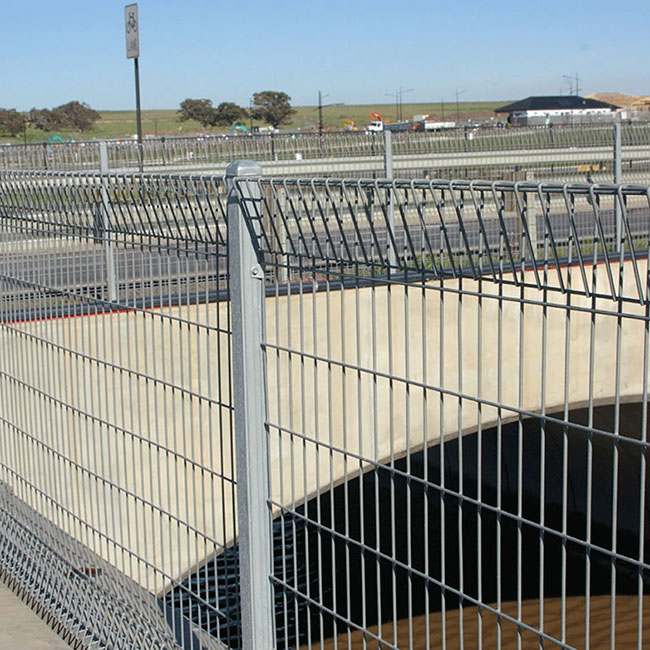
Security fencing plays a pivotal role in safeguarding properties, assets, and sensitive areas. As threats to security evolve, ensuring that your perimeter defense is up to date with the latest standards is critical. Whether you're securing a private residence, a commercial facility, or a high-security site, understanding the various security fencing standards is essential to selecting the right system for your needs. In this comprehensive guide, we will delve into the importance of adhering to security fencing standards, explain key certifications, and provide insights on how to choose the most appropriate fencing solution based on specific security requirements.
Key Takeaways
Security fencing standards help ensure the reliability and efficiency of perimeter security solutions.
Complying with industry standards guarantees compliance with risk management and legal requirements.
Understanding LPCB ratings, SR ratings, and other certifications is crucial to choosing the right fencing solution.
PAS 68 and IWA 14-1 are essential standards for vehicle attack resistance.
Regular testing and maintenance are vital for operational reliability and long-term security.
Why Standards Matter in Perimeter Security
Trust and Reliability
One of the most critical aspects of security fencing is the level of trust and reliability it offers. When you invest in a security fence, you're not just investing in a physical barrier; you're investing in the peace of mind that comes with knowing that your property is well-protected. Security fencing standards ensure that the materials, design, and installation of fencing systems meet specific criteria, providing assurance that they will perform reliably when needed most.
Without established standards, it's nearly impossible to know whether a particular security fencing solution will stand up to the threats it's supposed to mitigate. Whether it's resistance to intrusion, vandalism, or vehicle ramming, standards help clarify the quality and performance benchmarks that a fence should meet.
Risk Management and Compliance
For businesses and organizations, failing to comply with security fencing standards can lead to vulnerabilities, making them targets for crimes or even legal liabilities. Security breaches can result in financial loss, data theft, or, worse, physical harm to employees or visitors. Compliance with security fencing standards not only minimizes these risks but also ensures that organizations are meeting safety regulations required by law.
By adhering to these standards, you demonstrate due diligence in managing risk, which can prevent costly lawsuits or regulatory fines. More importantly, it helps ensure that your security system remains functional and effective for the long term.
Compliance and Risk Reduction
Compliance with established security fencing standards is a proven method of reducing risk. Standards typically take into account the latest technology, security threats, and best practices, ensuring that the solutions are up to date with current security trends. Additionally, meeting these standards often means that your fencing system has undergone rigorous testing, ensuring its effectiveness in real-world scenarios.
Fencing that meets LPCB, PAS 68, or IWA 14-1 standards, for example, has been specifically tested for vehicle and ballistic threats, ensuring that it can withstand deliberate or accidental breaches. CE and UKCA marking further assure compliance with European and UK regulations, respectively, making them essential in ensuring that the installation and design of the fence conform to legal requirements.
Operational Reliability & Testing
An effective security fencing solution is one that can stand the test of time. It needs to remain functional and reliable through various environmental conditions, from extreme weather to physical wear and tear. Regular testing, in accordance with established security fencing standards, helps maintain its operational reliability.
Testing standards ensure that the security fence can withstand the specific security threats it is designed to counter, be it vehicle attack resistance or preventing unauthorized access. Fencing systems that are tested to meet standards such as LPCB or PAS 68 must pass rigorous tests simulating these real-world scenarios.
Confidence for Specifiers & Clients
For specifiers and clients, knowing that a security fencing solution adheres to recognized standards brings confidence. It guarantees that the system will offer the level of protection expected, whether for a high-security government building or a commercial warehouse.
When choosing a fencing solution, the LPCB and other certifications provide clear indicators of quality, performance, and compliance, making it easier for specifiers to recommend the right system to their clients. Clients, in turn, gain peace of mind knowing that their investment is secure and meets all required regulations.
Overview of Key Security Standards
LPCB (LPS 1175)
The LPCB (Loss Prevention Certification Board) provides one of the most well-respected security certifications for perimeter fencing. LPS 1175 is a certification standard that evaluates the resistance of fencing systems to physical attacks. The LPCB rating considers a fence's ability to withstand manual or mechanical tools, as well as its general durability. This standard is commonly used for high-security facilities and is often required for government and military installations.
PAS 68
PAS 68 is a standard developed by the British Standards Institution (BSI) to evaluate the ability of barriers and fencing systems to withstand vehicle ramming attacks. This certification is vital for places where there is a high risk of vehicle-based threats, such as embassies, airports, and critical infrastructure sites. PAS 68 tests the vehicle impact resistance of security fences to ensure they can effectively mitigate vehicle threats.
IWA 14-1
The IWA 14-1 standard, similar to PAS 68, focuses on the ability of security fences to withstand vehicle impacts. This standard is particularly relevant to locations that are vulnerable to hostile vehicle attacks. The IWA 14-1 test assesses how well a fence resists a vehicle impact and the distance over which the vehicle is stopped, providing an important measure of the effectiveness of the security fencing system.
Secured by Design
The Secured by Design (SBD) certification is a UK police initiative that promotes the design and implementation of security fencing solutions that reduce the risk of crime. This certification focuses on preventing crime at the design stage of a project and ensures that all elements of the design, including fencing, minimize opportunities for criminal activity. It's a highly valued certification for residential and commercial properties that want to deter unauthorized access.
BS / EN
British Standards (BS) and European Norms (EN) represent a set of criteria for construction and design, including security fencing. BS 1722 and EN 1991 are relevant examples that set out the design and testing methods for perimeter security solutions, ensuring that fences meet certain quality, strength, and safety criteria.
CE / UKCA Marking
CE and UKCA marking indicate that a security fence product complies with relevant EU and UK regulations, respectively. These markings are required for certain products to be legally sold in the European Economic Area (EEA) and the UK. The CE marking ensures that the product meets health, safety, and environmental protection standards, while the UKCA marking serves a similar purpose for products sold in Great Britain.
LPCB Ratings (A1, B3, C5 +) Explained
LPCB ratings, such as A1, B3, and C5 +, provide an indication of the level of security that a security fence can provide. These ratings are awarded after the fence has undergone extensive testing, with higher ratings indicating better resistance to intrusion. The LPCB rating system assesses various factors, including the time a fence can withstand attack, the type of tools or methods used in the attack, and the general robustness of the system.
A1: The most secure level, resistant to a wide variety of attacks and offering extensive protection.
B3: Provides good resistance to moderately sophisticated attacks but may be vulnerable to more advanced methods.
C5+: Suitable for lower-risk areas, offering basic protection against opportunistic intrusions.
What Are SR Ratings?
SR Ratings are used to classify the level of security offered by security fences based on their ability to withstand forced entry. The ratings, which range from SR1 to SR5, are awarded based on the system's resistance to tools, mechanical devices, and methods of entry. An SR5 rating, for example, indicates that the fence is highly resistant to sophisticated attacks, while an SR1 rating suggests that it is suitable for low-risk environments.
Choosing the Right Level of Security
When selecting the right security fence, it is crucial to assess the level of threat and the required performance level. This includes considering the following factors:
Risk Assessment: Evaluate the likelihood of different security threats and the consequences of a breach.
Site Requirements: Consider the specific needs of your location, such as environmental conditions and operational requirements.
Budget: While higher-rated fences offer better protection, they can also be more expensive. Ensure that the level of security matches your budget constraints.
Vehicle Attack Standards: PAS 68 & IWA 14-1
PAS 68
As mentioned earlier, PAS 68 provides a standardized test for vehicle impact resistance. This is essential for sites at risk of hostile vehicle attacks, where barriers and security fencing must withstand heavy vehicle impacts. The test evaluates the ability of the fence to stop a vehicle moving at a specific speed, preventing it from breaching the perimeter.
IWA 14-1
Similarly, the IWA 14-1 standard evaluates a security fence's resistance to vehicle ramming, but it differs slightly from PAS 68 in its testing methods and criteria. Both standards are critical for high-risk sites where vehicles are likely to be used as weapons or tools for forced entry.
PAS 68 vs IWA 14-1 vs ISO 22343
While PAS 68 and IWA 14-1 both focus on vehicle impact resistance, ISO 22343 provides a more comprehensive framework for security fencing related to vehicle-borne threats. ISO 22343 is an international standard that covers various methods for assessing the effectiveness of barriers and fencing systems in protecting against vehicle attacks.
Each standard has its strengths and is suitable for different types of sites, so it's important to evaluate the specific security risks before making a decision.
How to Choose the Right Fencing Standard
Assessing Site Risk
The first step in selecting the appropriate security fencing standard is assessing the risk at your site. Identify potential threats, such as vandalism, burglary, or vehicle ramming, and determine the level of protection needed. If your site is prone to vehicle attacks, standards like PAS 68 or IWA 14-1 may be more relevant.
Understanding Procurement Rules
If you're purchasing fencing for a government or commercial project, procurement rules will likely dictate which standards you must meet. Ensure that the security fencing solutions you consider comply with any relevant regulations, such as BS or CE marking.
Factoring in Installation & Maintenance
Beyond certification, consider the installation and maintenance requirements of different security fences. Some systems may require more extensive installation procedures or ongoing maintenance to maintain compliance with standards.
Conclusion
Adhering to security fencing standards is crucial for ensuring that your perimeter security system provides reliable protection. Whether you're protecting a residential property or a high-risk site, the right fencing solution can mitigate a wide range of threats, from vandalism to vehicle attacks. By understanding the various certifications and standards available, you can make an informed decision about the level of protection you need and ensure compliance with all relevant regulations.
FAQs
What is the difference between PAS 68 and IWA 14-1?
Both PAS 68 and IWA 14-1 evaluate vehicle impact resistance, but they have different testing protocols. PAS 68 is typically used in the UK, while IWA 14-1 is recognized internationally.
Do I need LPCB rated security fencing?
If you're securing a high-risk site, such as a government building or critical infrastructure, LPCB certification is recommended to ensure your fencing can withstand physical attacks.
How can I ensure my security fencing is compliant with regulations?
Make sure that your security fencing is CE or UKCA marked, and consider consulting with a professional installer who can ensure compliance with the relevant standards.


