In today's world, security is a top priority for both residential and commercial properties. Whether you're trying to protect a business, an industrial facility, or your home, securing your perimeter is a must. When it comes to choosing the best fencing options, mesh fencing and palisade fencing are two of the most popular choices. But which one is right for you?
This article will dive into the differences between mesh fencing and palisade fencing, explore their individual benefits, and provide a detailed comparison to help you make an informed decision. Whether you're interested in aesthetics, durability, or security, we'll break down everything you need to know.
Key Takeaways
Mesh fencing is a versatile, cost-effective, and easy-to-install security solution.
Palisade fencing is known for its robust, imposing design and enhanced security features.
The choice between mesh fencing and palisade fencing depends largely on the type of security, aesthetics, and budget you're aiming for.
Mesh fencing offers better visibility and is more suitable for residential areas, while palisade fencing is perfect for high-security applications like prisons, warehouses, and industrial sites.
Understanding the installation, maintenance, and durability of both types of fencing will help you choose the best option for your needs.
What Is Mesh Security Fencing?
Mesh security fencing is a type of fencing made from wire mesh, typically made of steel or galvanized wire. The wire is woven into a mesh pattern, forming a sturdy, but flexible barrier that provides security and privacy. Mesh fencing can be used in a variety of settings, from residential homes to commercial properties, schools, and sports fields.
Mesh fences come in various types and designs. The most common options include:
Welded mesh fencing: This is made by welding horizontal and vertical wires together to form a grid-like pattern.
Chain link fencing: This is a simpler and more flexible form of mesh fencing, often used for industrial sites and sports fields.
Electrified mesh fencing: For heightened security, some mesh fences are equipped with an electric current to deter intruders.
Mesh fencing is often chosen for its affordability, aesthetic appeal, and ease of installation. It's a great option for areas that need security without sacrificing visibility. It also allows for quick installation and doesn't require extensive maintenance.
Advantages of Mesh Security Fencing:
Cost-Effective: Mesh fencing tends to be more affordable than other fencing types, like palisade or solid barriers.
Easy Installation: Mesh fences are lightweight and easy to install, making them a popular choice for both DIYers and professional installers.
Durable: Made from tough steel wire or galvanized materials, mesh fencing is resistant to rust and wear, providing long-term protection.
Visibility: Because of its open design, mesh fences allow for greater visibility of the surrounding area, which can be both a security advantage and a deterrent for crime.
Versatile: Mesh fencing is suitable for various applications, including residential, commercial, and even sporting areas.
However, mesh fencing does have some limitations. For instance, while it provides a moderate level of security, it's not as difficult to scale or cut through as other more secure fencing types like palisade fencing.
What Is Palisade Securing Fencing?
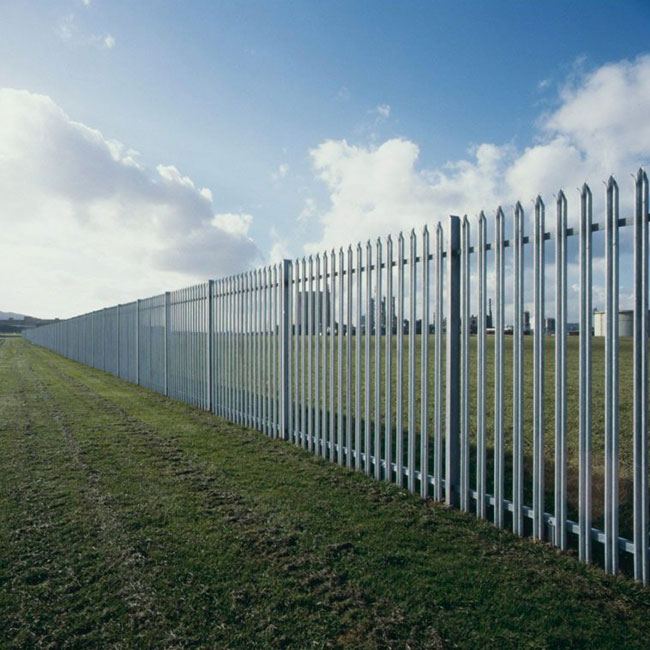
Palisade securing fencing is a type of fencing made from vertical steel or iron posts, often designed with sharp points or spikes at the top. This type of fence is typically used for high-security areas like industrial properties, prisons, or areas that need to deter intruders or vandals. The design of palisade fencing is meant to make it as difficult as possible for individuals to climb or cut through.
Palisade fences are made of steel, and the vertical pickets can either be flat or have a "W" or "D" shape. The design is highly customizable, allowing for different heights, colors, and finishes to suit the needs of the property.
Advantages of Palisade Securing Fencing:
High Security: Palisade fencing is one of the most secure types of fencing available. Its spikes make it difficult to climb, and the solid steel posts make it nearly impossible to cut through.
Durability: Palisade fencing is extremely tough and resistant to physical damage. It can withstand heavy impact, making it ideal for areas that need high levels of protection.
Imposing Appearance: The spikes and steel design create an intimidating presence, making it an effective deterrent for potential intruders.
Customizable: Palisade fences come in various heights, designs, and finishes, which makes them versatile in terms of aesthetics as well as function.
Low Maintenance: Once installed, palisade fencing requires minimal maintenance. It's resistant to corrosion and other forms of wear and tear.
Despite its many advantages, palisade fencing tends to be more expensive than mesh fencing, both in terms of materials and installation. Its imposing appearance may also not be suited for residential areas where aesthetics are important.
Palisade Securing Fencing vs Mesh Security Fencing
To help you decide which option is best for your needs, let's compare mesh fencing and palisade fencing based on several key factors: security, cost, installation, durability, and aesthetics.
| Factor | Mesh Fencing | Palisade Fencing |
| Security | Moderate; not as difficult to climb or cut through. | High; difficult to climb or cut, especially with spikes. |
| Cost | Generally more affordable than palisade fencing. | More expensive due to materials and installation. |
| Installation | Easier and quicker to install. | Requires more time and expertise for installation. |
| Durability | Durable, but less so than palisade fencing. | Very durable and resistant to impact and wear. |
| Aesthetics | Open design allows for better visibility. | Imposing and secure, but may not suit all environments. |
| Maintenance | Low maintenance but may need occasional cleaning. | Low maintenance and very resistant to corrosion. |
| Versatility | Suitable for residential, commercial, and sports areas. | Best suited for high-security environments. |
Security Comparison
When it comes to security, palisade fencing is the clear winner. Its sharp spikes and solid steel posts make it a formidable barrier that's extremely difficult to penetrate. In contrast, mesh fencing, while still effective, doesn't provide the same level of protection. Its open design makes it easier for intruders to scale, and its wire can be cut through with the right tools.
Cost Comparison
Mesh fencing is typically more affordable than palisade fencing, making it a great choice for those on a budget. The materials are less expensive, and installation tends to be quicker and easier. On the other hand, palisade fencing can be quite costly, especially if you opt for taller or customized designs. While it's more expensive upfront, the durability and high-security benefits might justify the investment for certain applications.
Installation Comparison
In terms of installation, mesh fencing is the simpler and quicker option. It requires less labor and expertise to install, and many homeowners can even take on the installation themselves. Palisade fencing, however, is more complicated to install due to the heavy, sturdy materials used and the need for precise positioning of the vertical posts. It's often best left to professionals to ensure the fence is properly installed and secured.
Aesthetic Comparison
Aesthetically, mesh fencing has the advantage of being more subtle and blending better with residential landscapes. Its open design provides visibility, which might be ideal in some situations. However, palisade fencing has a more imposing and industrial look. It can appear intimidating, which makes it ideal for high-security areas but may not be the best choice for residential properties where curb appeal is important.
Conclusion
When choosing between mesh fencing and palisade fencing, it's important to consider your security needs, budget, and aesthetic preferences. If you need a more affordable, easy-to-install fence for a residential property, mesh fencing might be the ideal option. However, for high-security areas that require durability and deterrence, palisade fencing offers superior protection.
Ultimately, both fencing options have their merits, and the choice depends on the specific requirements of your property. Whether you opt for the flexibility of mesh or the strength of palisade, both provide an effective means of securing your property.
FAQs
1. Which type of fence is best for a residential property?
For most residential properties, mesh fencing is the better option due to its affordability, aesthetic appeal, and sufficient security. However, if you're looking for higher security and have the budget for it, palisade fencing may be the right choice.
2. Is palisade fencing more durable than mesh fencing?
Yes, palisade fencing is more durable and resistant to impact and wear. Its steel construction and sharp design make it more resilient, whereas mesh fencing can wear down faster, especially if not maintained properly.
3. Can I install mesh fencing myself?
Yes, mesh fencing is easier to install and many homeowners can do it themselves. However, if you opt for palisade fencing, it's generally recommended to hire professionals due to the complexity of installation.
4. How do I maintain mesh fencing and palisade fencing?
Both types of fencing are relatively low-maintenance. For mesh fencing, occasional cleaning and checking for rust are recommended. Palisade fencing is more resistant to rust and physical damage, but you should still check for any signs of corrosion or wear.
5. Can palisade fencing be customized?
Yes, palisade fencing is highly customizable in terms of height, design, and finish. You can choose from various styles of pickets, such as flat, pointed, or "W" shaped, to suit your security needs and aesthetic preferences.
6. Is mesh fencing suitable for high-security areas?
While mesh fencing can offer a level of security, it is generally not recommended for high-security areas that require extreme protection. For those areas, palisade fencing is a better choice due to its formidable design and durability.


